
International Energy Agency Says Hormuz Closure Has Altered Perceptions Of Energy Security

International Energy Agency (IEA) Executive Director Fatih Birol has welcomed the interim agreement ending the Iran war and called for the Strait of Hormuz to be reopened "without conditions" to restore confidence in global energy markets.
Speaking at an event in Istanbul on June 18, Birol said several countries were reassessing their energy policies after Iran's closure of the strategic waterway during the conflict highlighted its vulnerability to future disruptions.
The US-Iran agreement provides for the reopening of the strait, which usually accounts for around one-fifth of global oil and gas supplies, and the lifting of the US naval blockade of Iran, potentially ending a disruption that the IEA estimates blocked more than 14 million barrels per day of Middle East oil output.
Birol said the agency would discuss new energy-security strategies with governments, warning that the crisis had fundamentally altered perceptions of global supply routes.
"The vase is broken," he said. "Now all actors know that the Strait of Hormuz was closed once and it can be shut down again."
With reporting by Reuters
UN Nuclear Watchdog Says It's Ready To Work With US, Iran On Deal Implementation
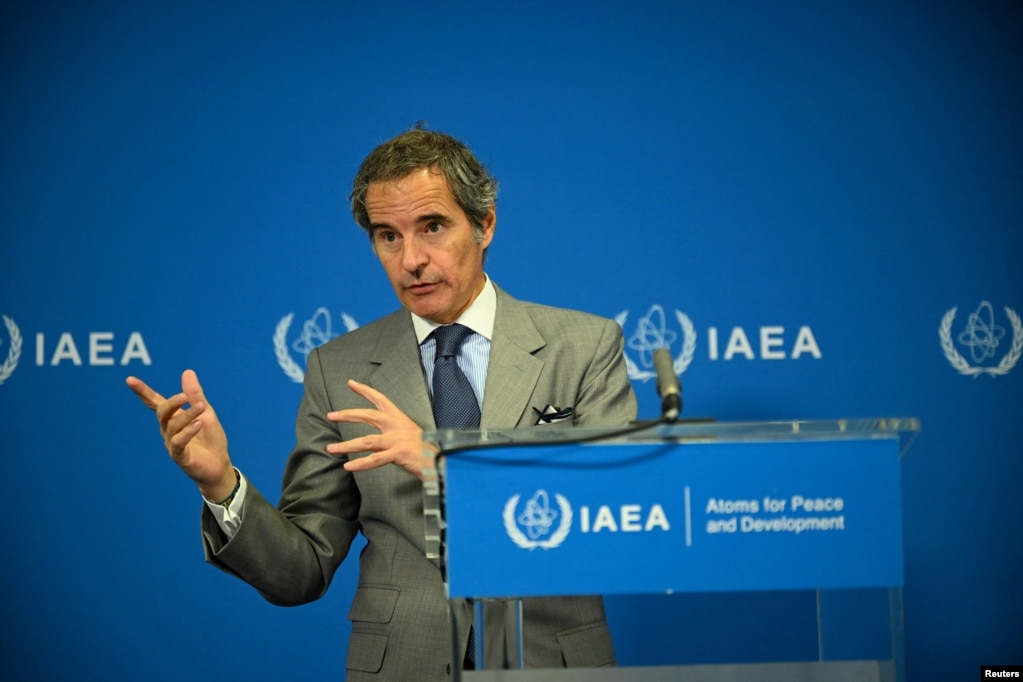
The International Atomic Energy Agency (IAEA) has said that it is ready to begin work on implementing the US-Iran agreement signed on June 17, under which Tehran has agreed to dilute its enriched uranium stockpile in exchange for economic relief.
IAEA Director General Rafael Grossi said on June 18 that the agency would now work with US and Iranian officials to define the "concrete steps" needed to carry out the deal.
Under the agreement, Iran's enriched uranium could be reduced through "down-blending on site under the supervision of the IAEA," placing the UN nuclear watchdog at the center of the verification process.
Grossi described the operation as highly complex and said the IAEA's role in the memorandum of understanding between Tehran and Washington underscored its credibility and expertise. He welcomed the agreement, saying: "I think it's good that the memorandum is there."
"Now the technical work starts," he added.
The deal is intended as a temporary arrangement while broader negotiations continue over the future of Iran's nuclear program.
Israel Seeking To Keep Troops in Southern Lebanon Despite US-Iran Deal, Say Officials
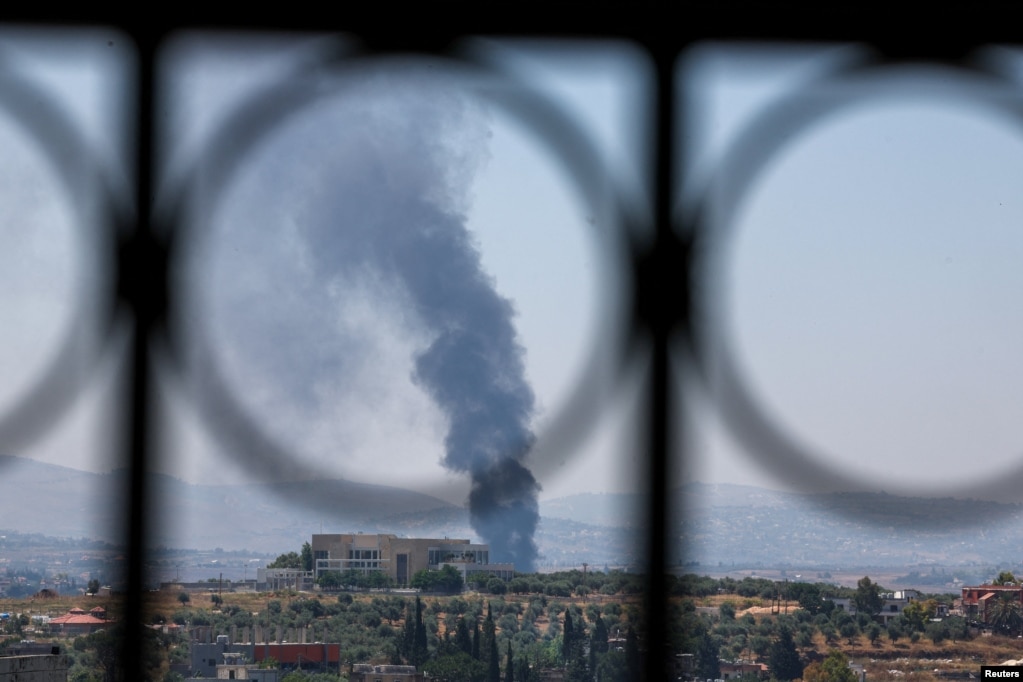
Israel is holding talks with the United States as it looks to maintain its military presence in southern Lebanon despite a new US-Iran agreement that calls for respect for Lebanon's sovereignty, Reuters reported on June 18, citing two Israeli officials.
One senior official close to Prime Minister Benjamin Netanyahu said Israel was "conducting stubborn negotiations" with Washington and would not retreat from its position of keeping troops deployed south of Lebanon's Litani River.
The discussions come a day after the United States and Iran signed an interim pact that commits parties to ensuring "the territorial integrity and sovereignty of Lebanon."
The negotiations are taking place as violence in Lebanon has declined sharply following the announcement of the agreement.
However, an Israeli drone strike in southern Lebanon on June 18 killed one person and seriously wounded another, according to Lebanon's state-run National News Agency.
Israel's military also announced the death of a soldier during an incident in southern Lebanon the previous night that left seven other troops wounded.
Israel expanded its military operations in southern Lebanon after Hezbollah opened fire on March 2 in support of Iran. Israeli officials describe territory seized in Lebanon, Gaza and Syria as buffer zones intended to enhance security.
Since the US and Iran announced they had reached an agreement on June 16, Hezbollah has not claimed responsibility for any new attacks against Israel, although limited exchanges of fire have continued.
With reporting by Reuters
Oil Prices Fall, Dollar Steady As US-Iran Deal Eases Supply Concerns
Oil prices fell on June 18 as investors weighed the interim peace agreement between the United States and Iran which could reduce risks to global energy supplies, while the dollar was little changed against major currencies.
US crude dropped 1.25 percent to $75.83 a barrel and Brent crude fell 1.4 percent to $78.41, continuing declines after US President Donald Trump and Iranian President Masud Pezeshkian signed a deal aimed at ending months of conflict in the Middle East.
Recent falls in oil prices have eased concerns about a global economic slowdown, particularly in energy-importing economies.
The International Energy Agency said the oil market could move into a significant supply surplus by 2027 following the reopening of the Strait of Hormuz.
Currency markets were steadier.
The dollar index, which measures the US currency against a basket of major peers, slipped 0.03 percent to 100.32. The euro rose 0.1 percent to $1.1511, while the dollar edged up against the Japanese yen to 160.65, near its highest level since July 2024.

.jpg)


Post a Comment